Booze Buddy
Promoting safer drinking habits among young adults.
DURATION
4 months
Estelle Kim
Joanne Lang
Ellis Byun
Nat Nguyen
ROLE
Logo Designer
UX/UI Designer
Researcher
TOOLS
Figma
Adobe Illustrator
overview.
In my GBDA 210 Intro User Experience & Design class, our team was challenged to identify a meaningful issue affecting a specific user group and to ideate, prototype, and test a mobile/web solution.
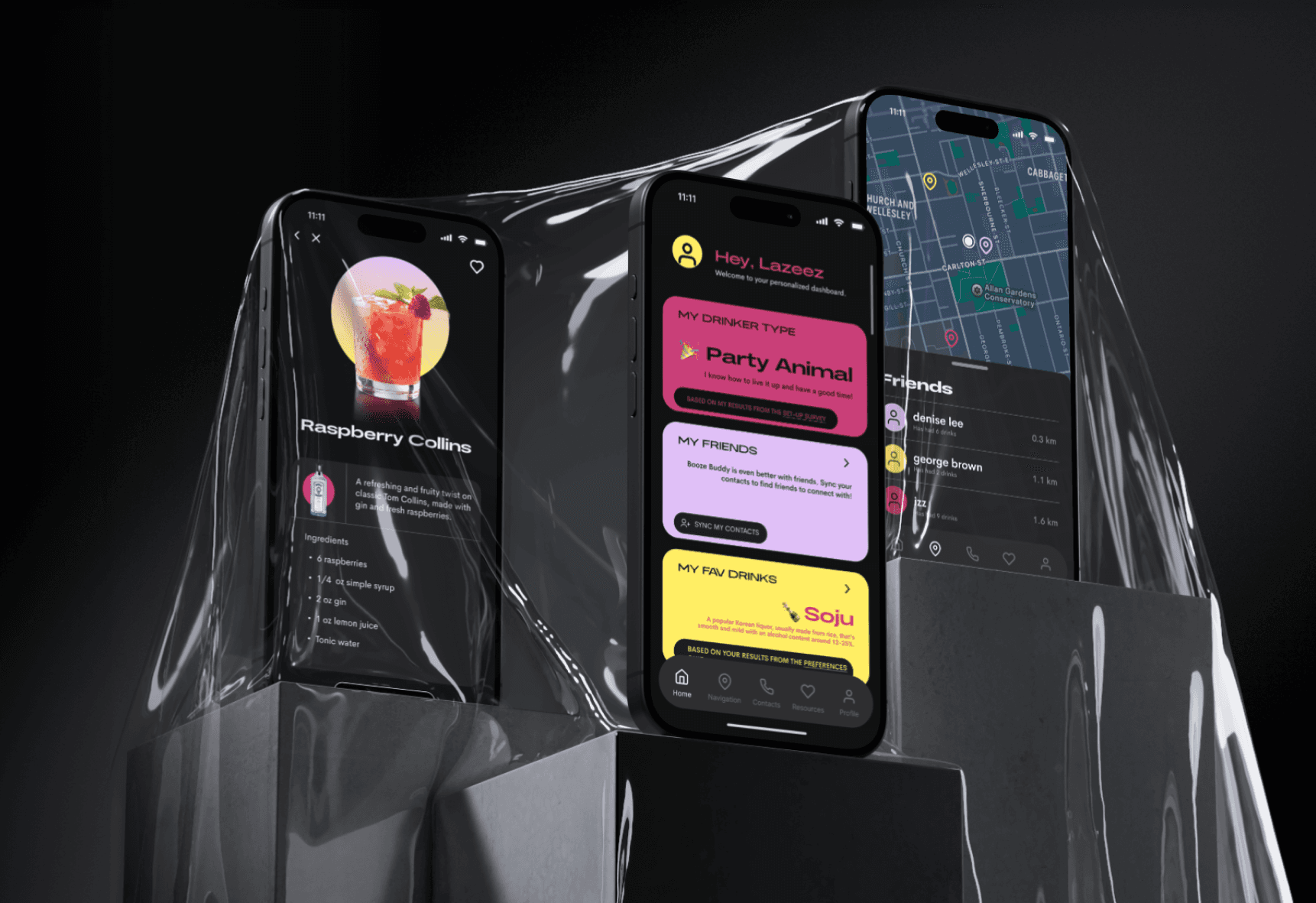
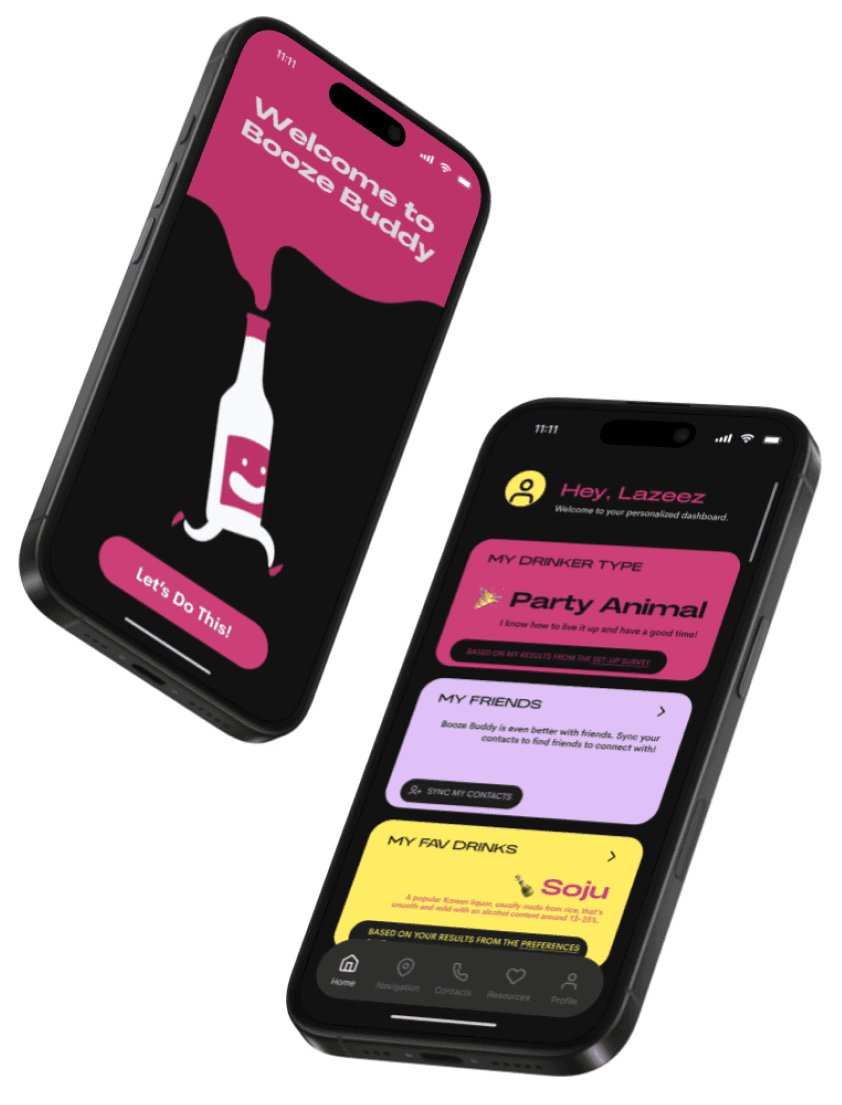
In response, my group and I created BoozeBuddy—a mobile app designed to promote safer drinking habits among young adults. The app aims to help users stay aware of their alcoholic consumption and drink mindfully through various features such as friend tracking, personalized goals, and real-time reminders to encourage responsible drinking.
problem.
Young adults, especially university students, often struggle to understand safe drinking limits due to societal pressures and limited experience, increasing physical risks or regretful choices. Rather then trying to prevent drinking altogether, how might we help young adults make safer, more informed drinking decisions in real time?
solution.
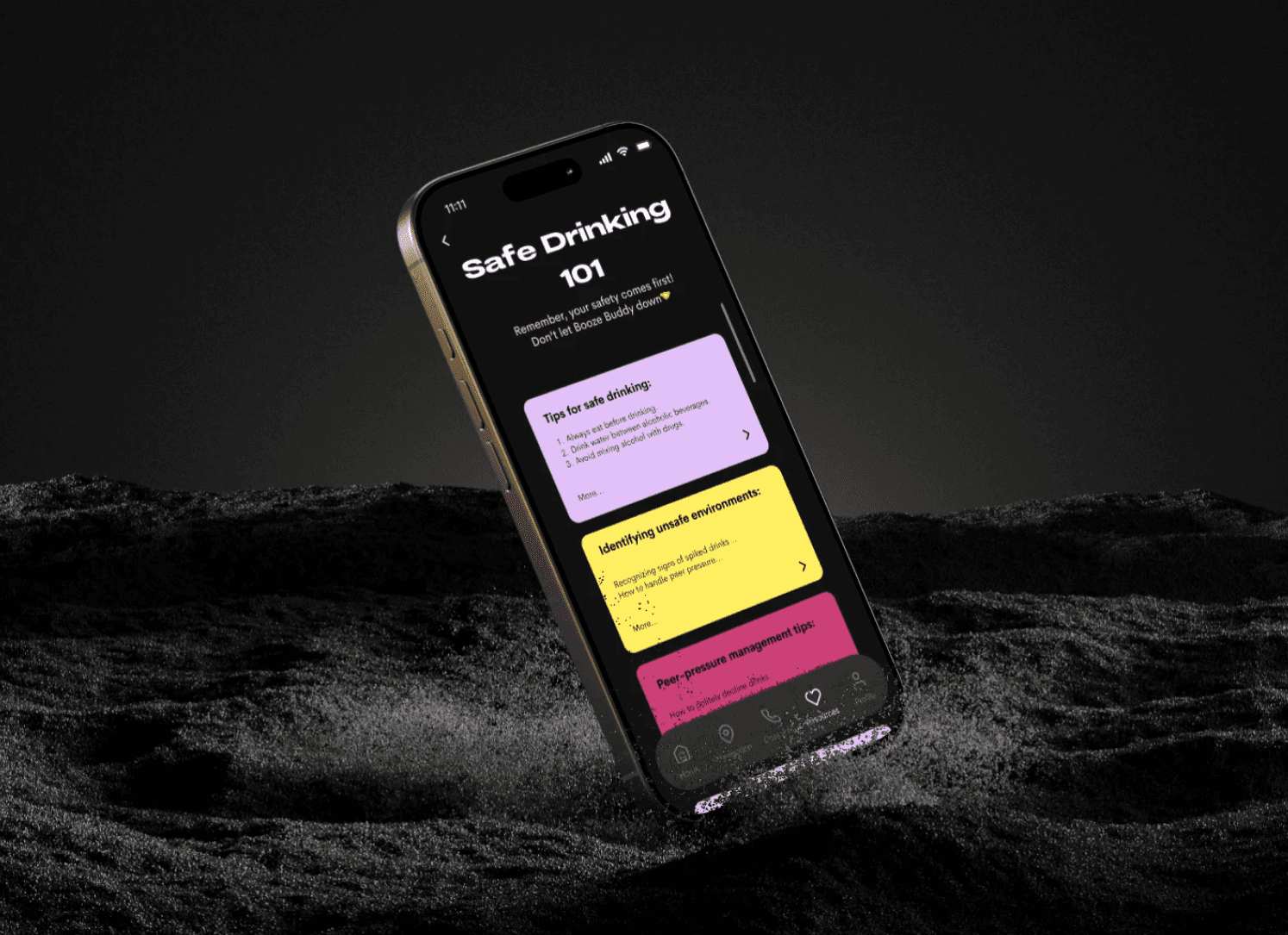
The proposed solution is a mobile app that supports safe and responsible drinking through personalized goals, real-time safety features, and social support tools. The app helps users understand the user's limits, stay connected with trusted contacts, and avoid risky or regretful decisions while drinking.
process.
To gain insights on our core user demographic, we conducted interviews with university students of varying programs, ages, ethnicities, and gender—all with the common ground that they were young adults who participated in alcohol consumption.
Interview questions focused on participants’ drinking habits, knowledge of personal alcohol limits, experiences with peer pressure, social environments where drinking occurs, and any challenges or regrets they had experienced while intoxicated.
To gain insights on our core user demographic, we conducted interviews with university students of varying programs, ages, ethnicities, and gender—all with the common ground that they were young adults who participated in alcohol consumption.
Interview questions focused on participants’ drinking habits, knowledge of personal alcohol limits, experiences with peer pressure, social environments where drinking occurs, and any challenges or regrets they had experienced while intoxicated.
Key Insight 1: Although most interviewees now try to drink within their limits, they initially learned those limits through negative experiences and still struggle to stay within them because of fluctuating alcohol tolerance
Key Insight 2: Interviewees reported mixed experiences with peer pressure in university settings, but those who did feel it said subtle comments or direct invitations made it harder to resist drinking more in order to fit in socially.
Key Insight 3: Interviewees noted that alcohol often influenced their behaviour, and their openness to trying readily available drinks, especially in social settings, frequently led to drinking more than intended.
Key Insight 4: Many individuals reported that alcohol lowers social anxiety and makes conversations feel more natural, positioning parties and drinking environments as key facilitators for social connection.
Key Insight 1: Although most interviewees now try to drink within their limits, they initially learned those limits through negative experiences and still struggle to stay within them because of fluctuating alcohol tolerance
Key Insight 2: Interviewees reported mixed experiences with peer pressure in university settings, but those who did feel it said subtle comments or direct invitations made it harder to resist drinking more in order to fit in socially.
Key Insight 3: Interviewees noted that alcohol often influenced their behaviour, and their openness to trying readily available drinks, especially in social settings, frequently led to drinking more than intended.
Key Insight 4: Many individuals reported that alcohol lowers social anxiety and makes conversations feel more natural, positioning parties and drinking environments as key facilitators for social connection.
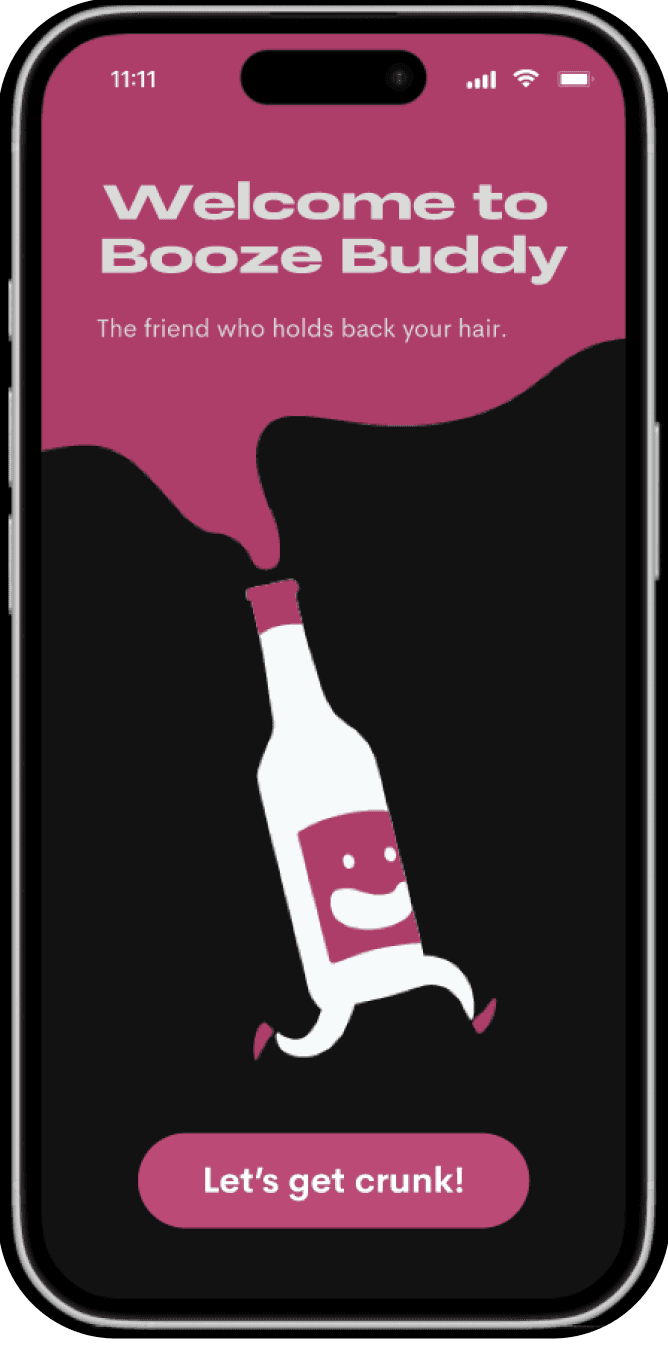
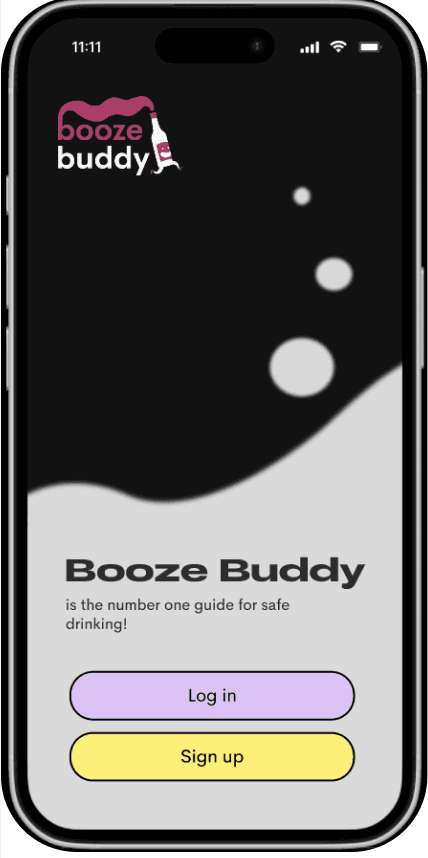
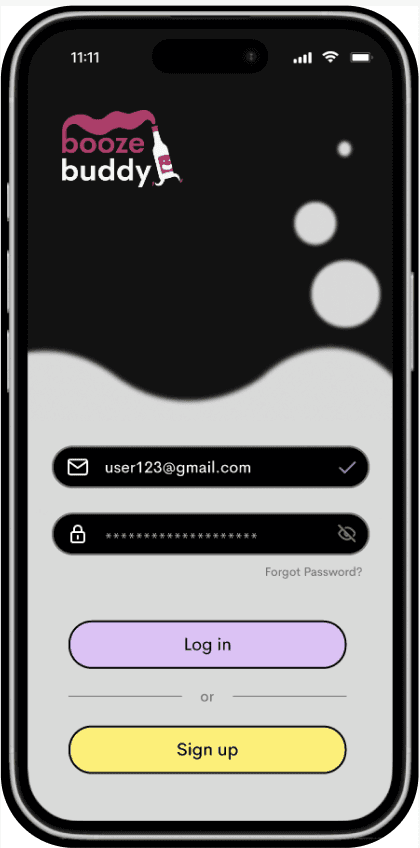
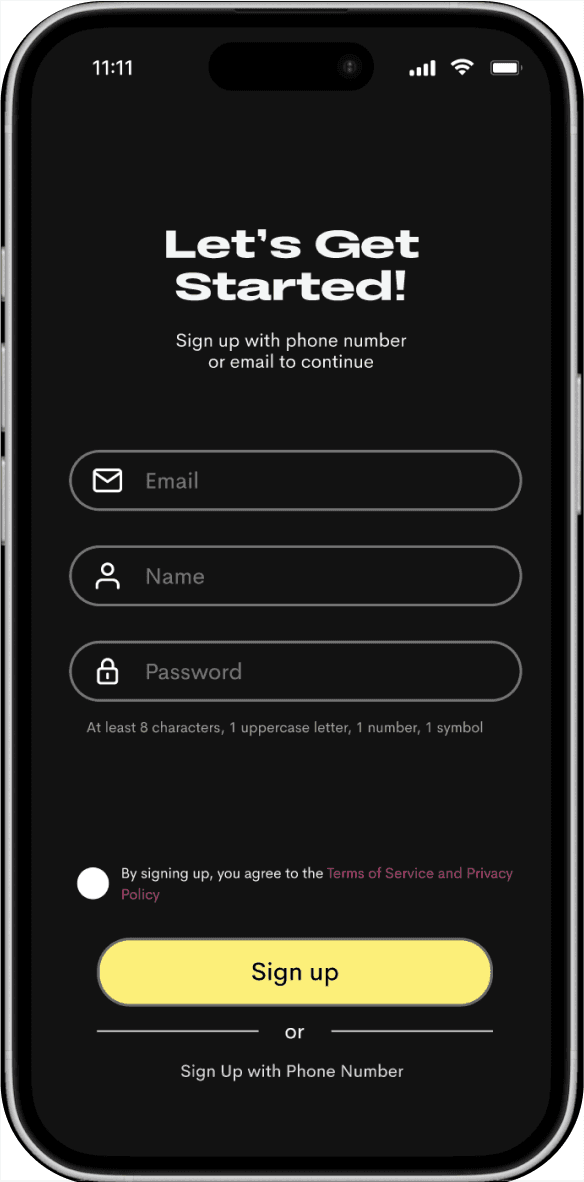
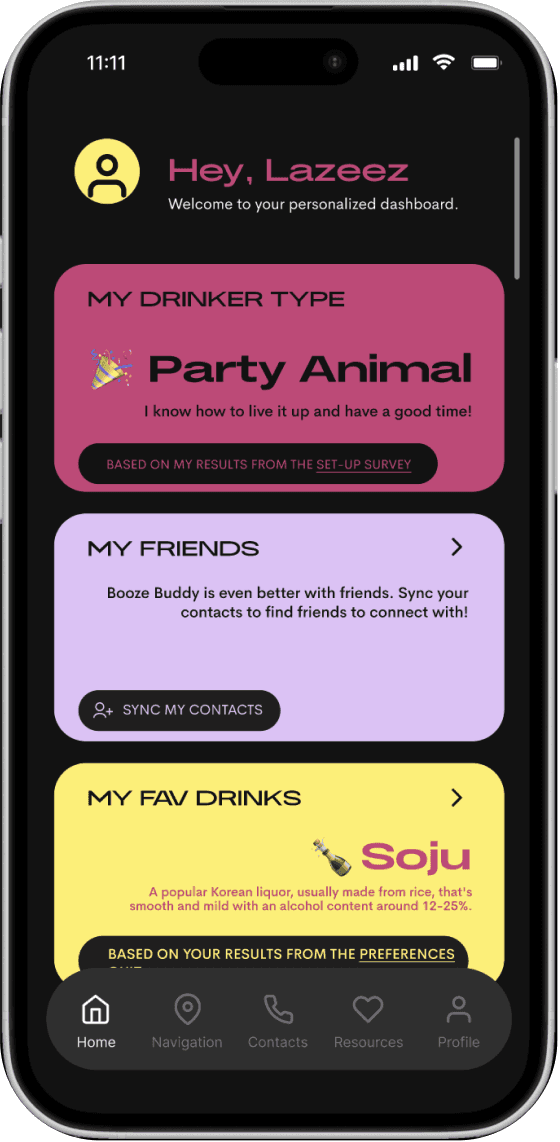
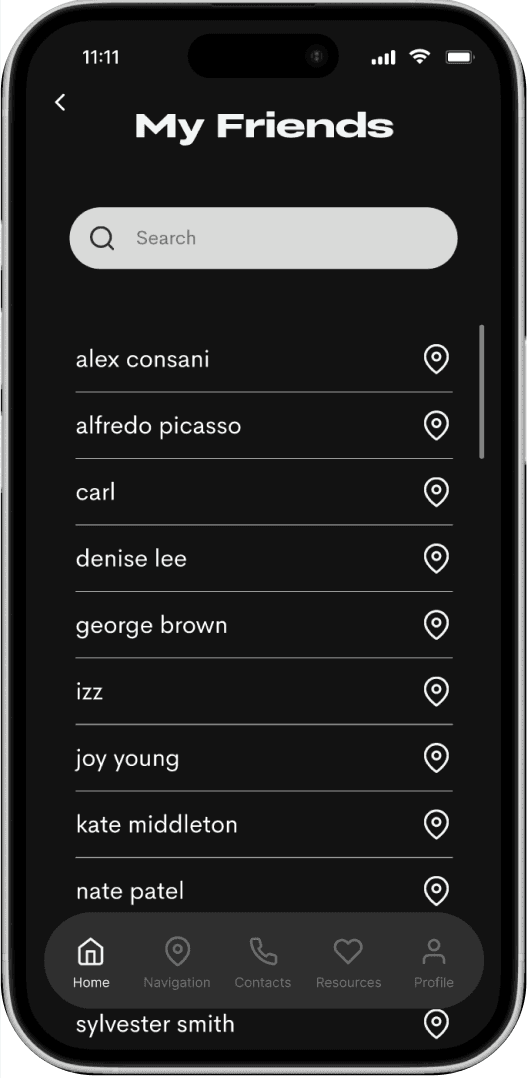
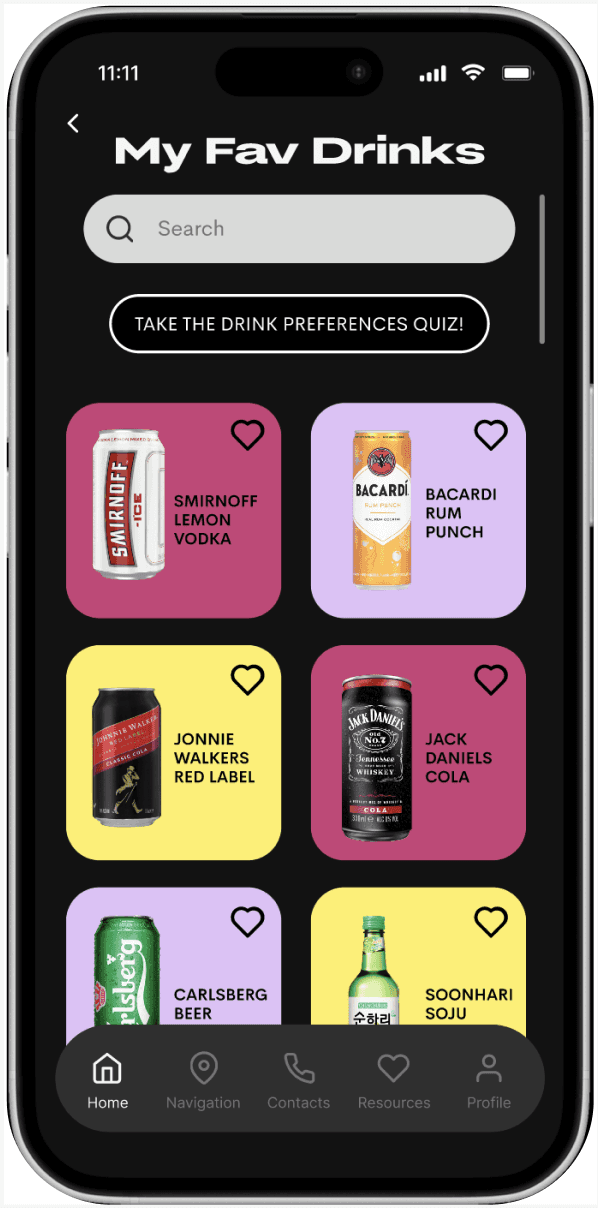
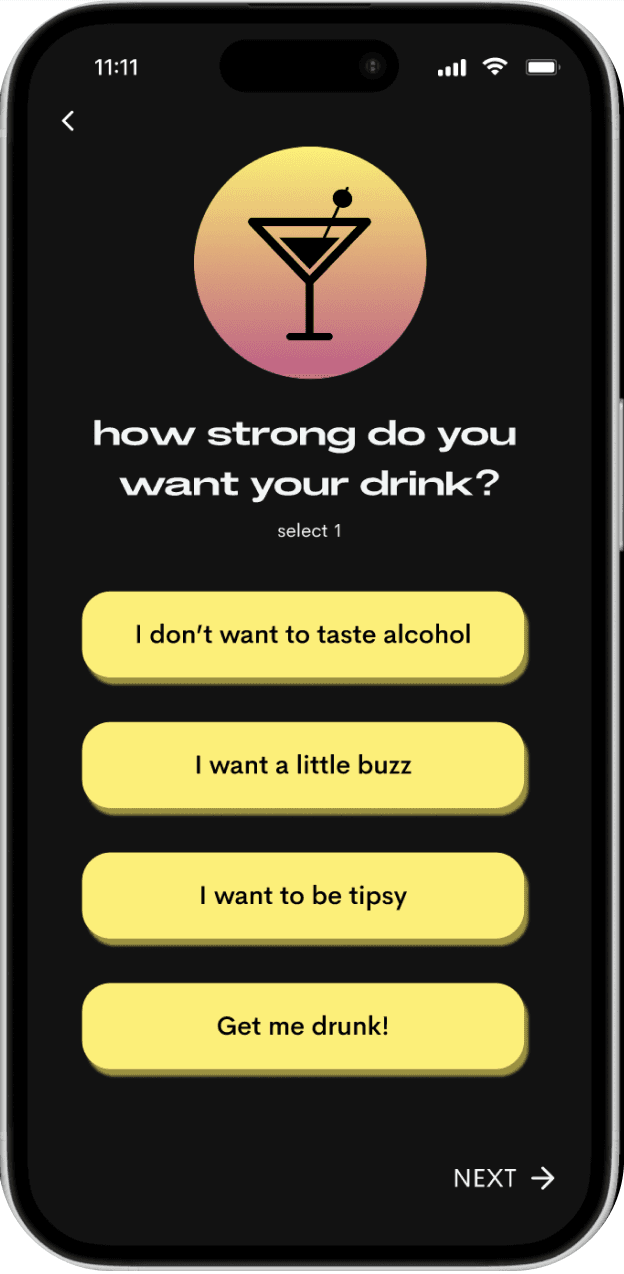
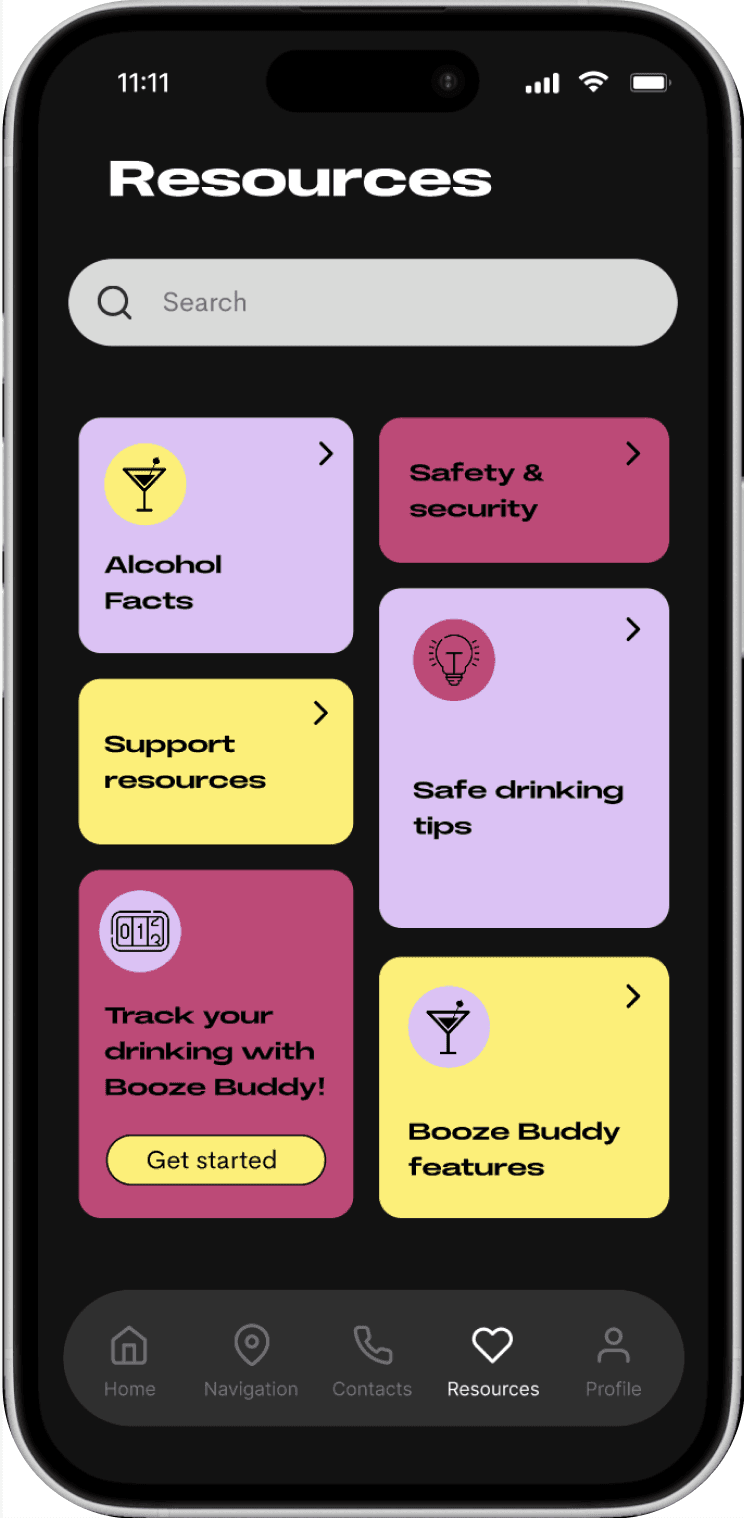
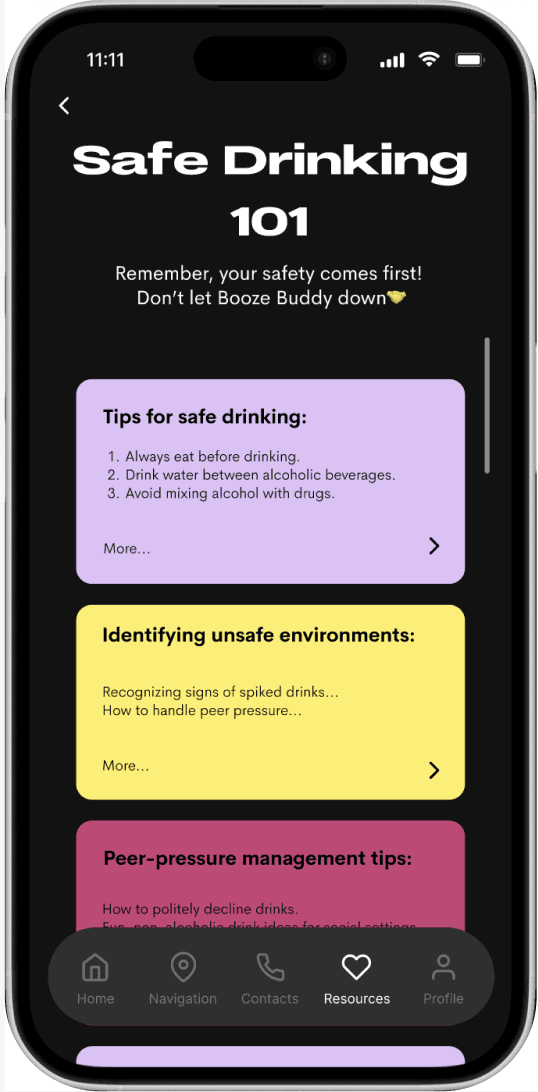
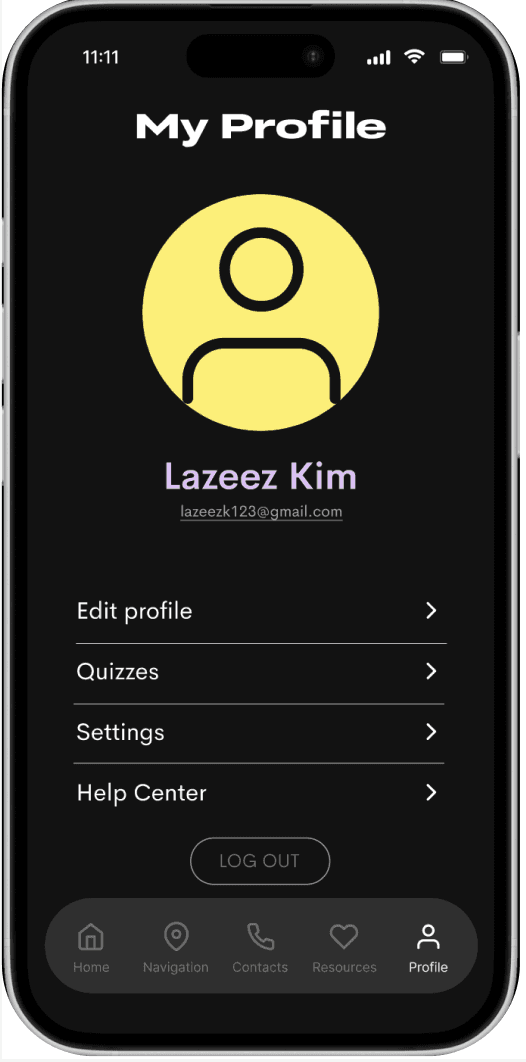
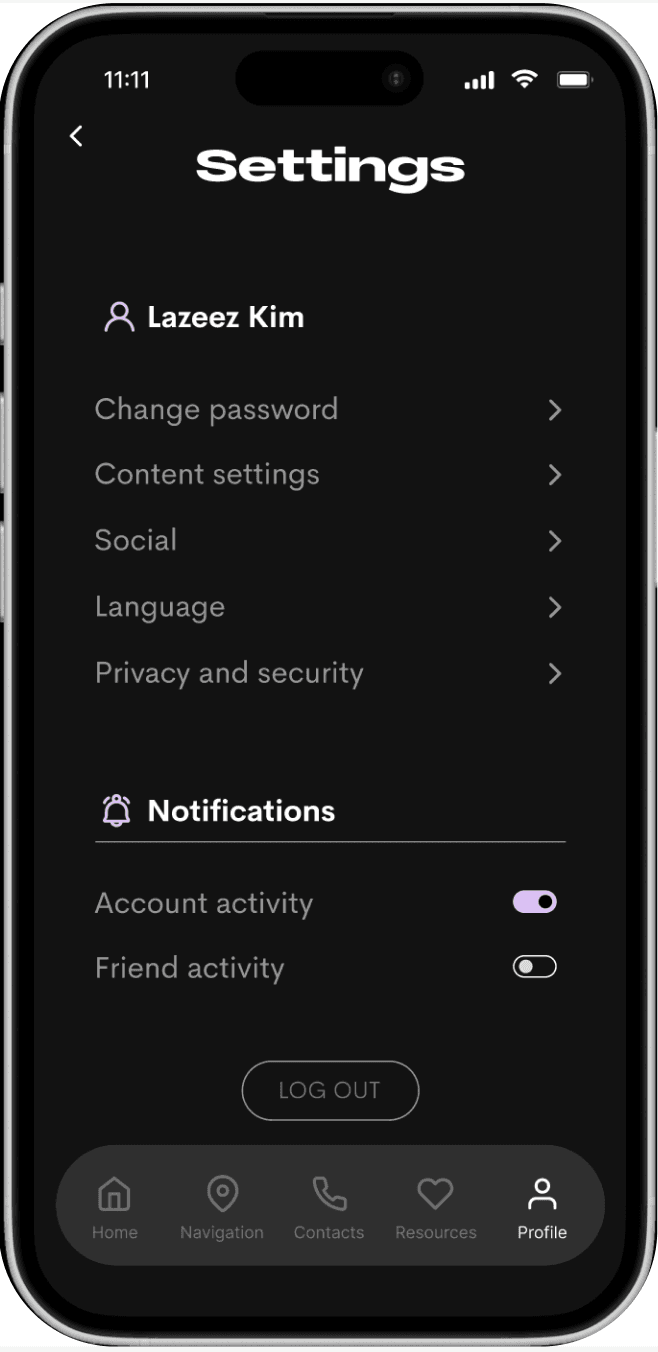
high-fidelity prototype.
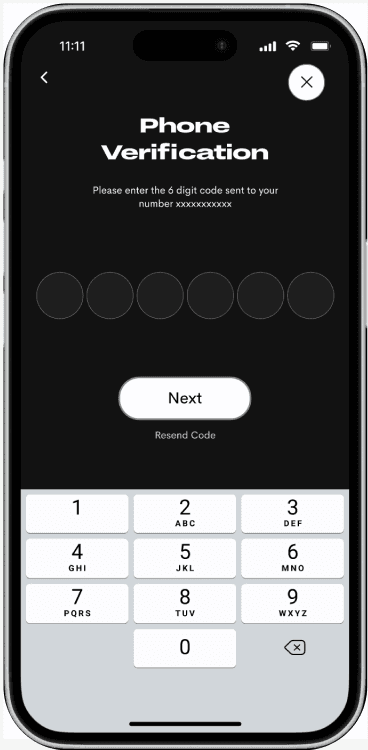
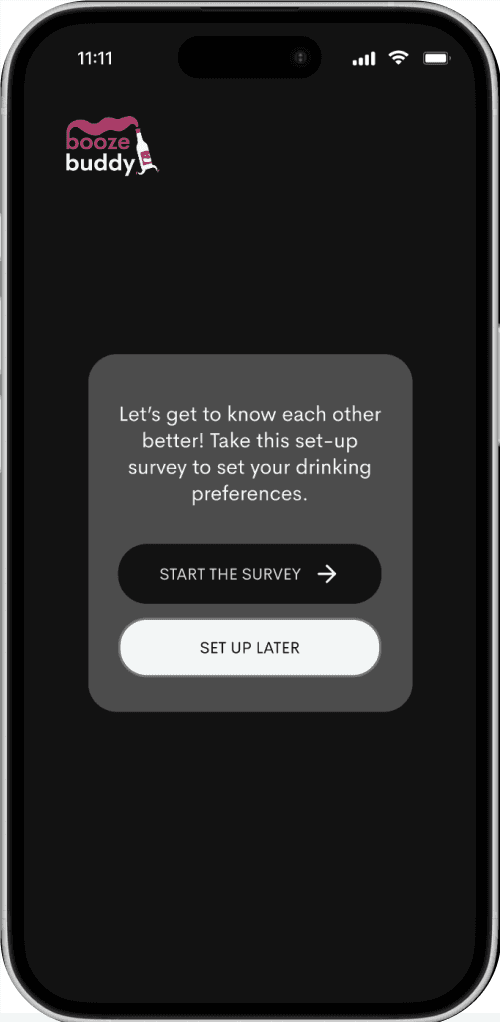
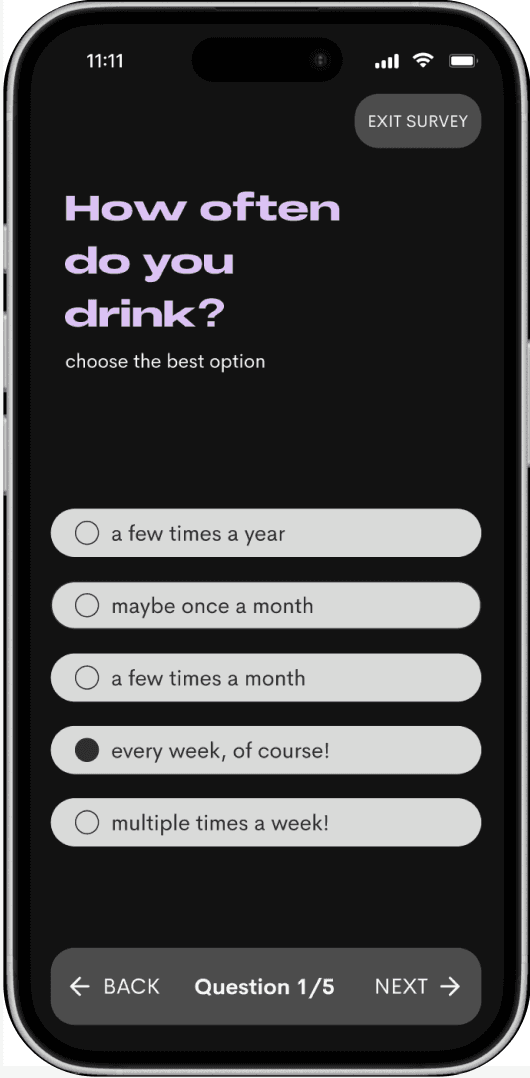
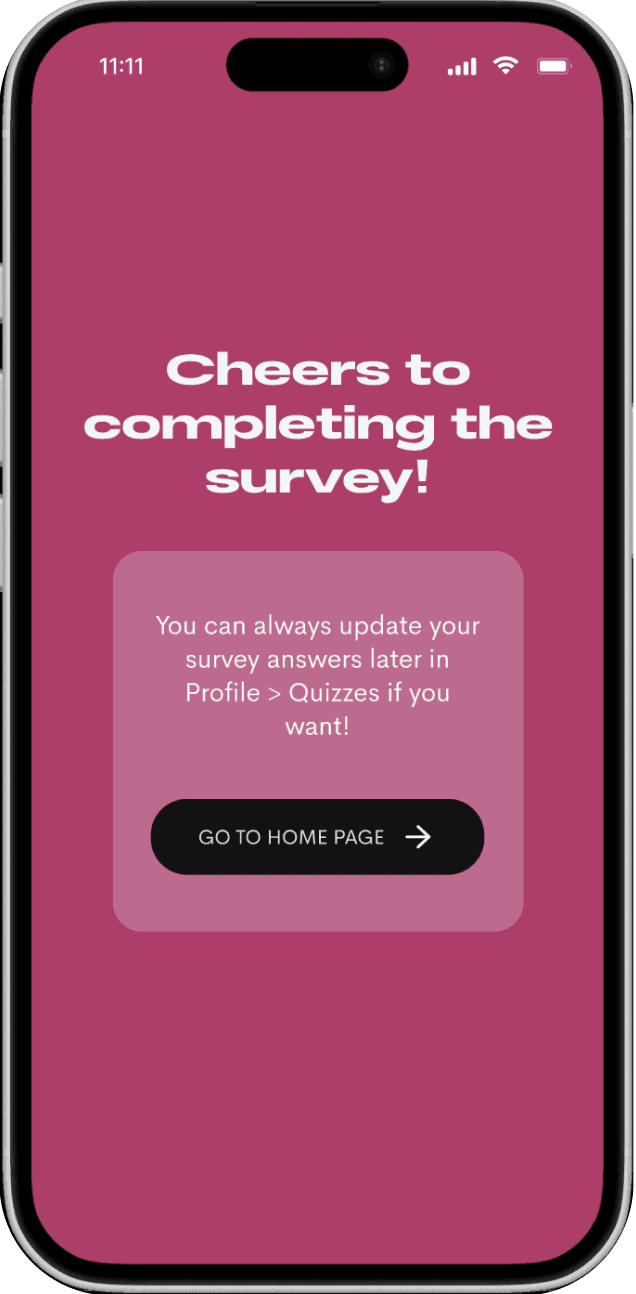
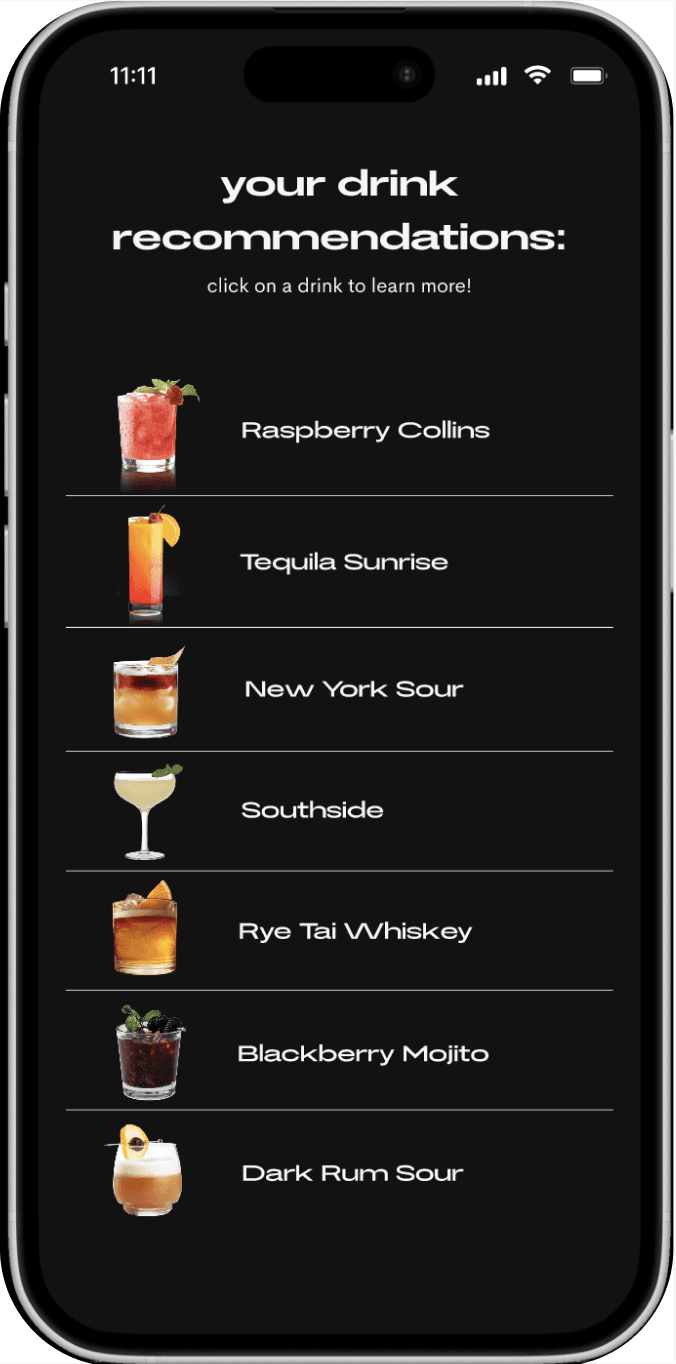
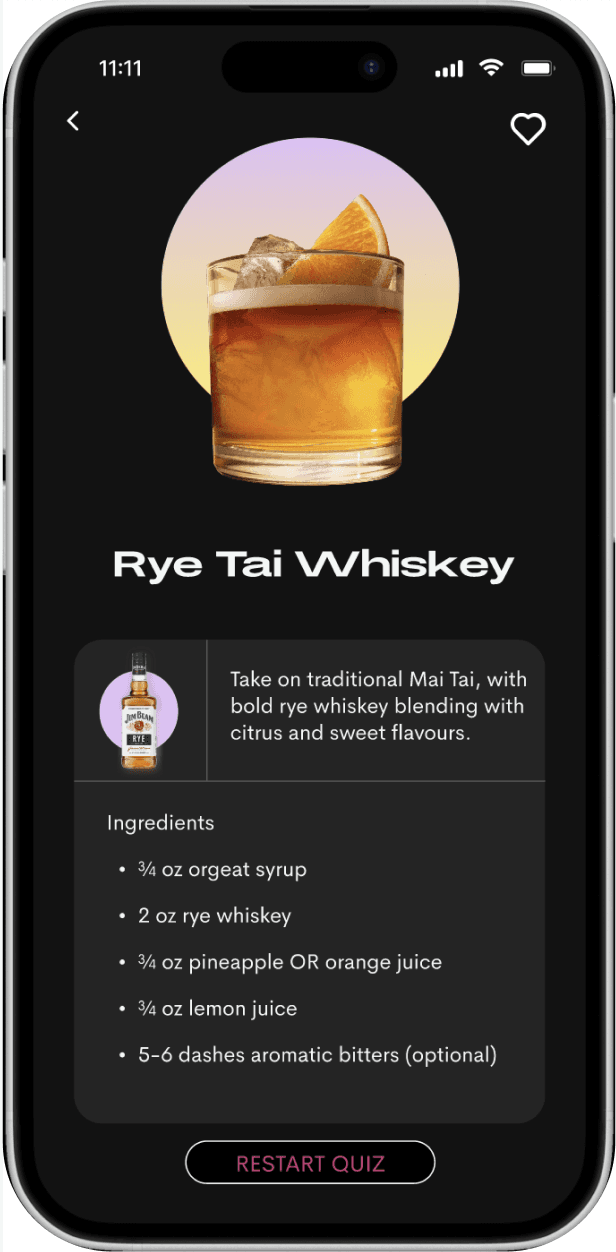
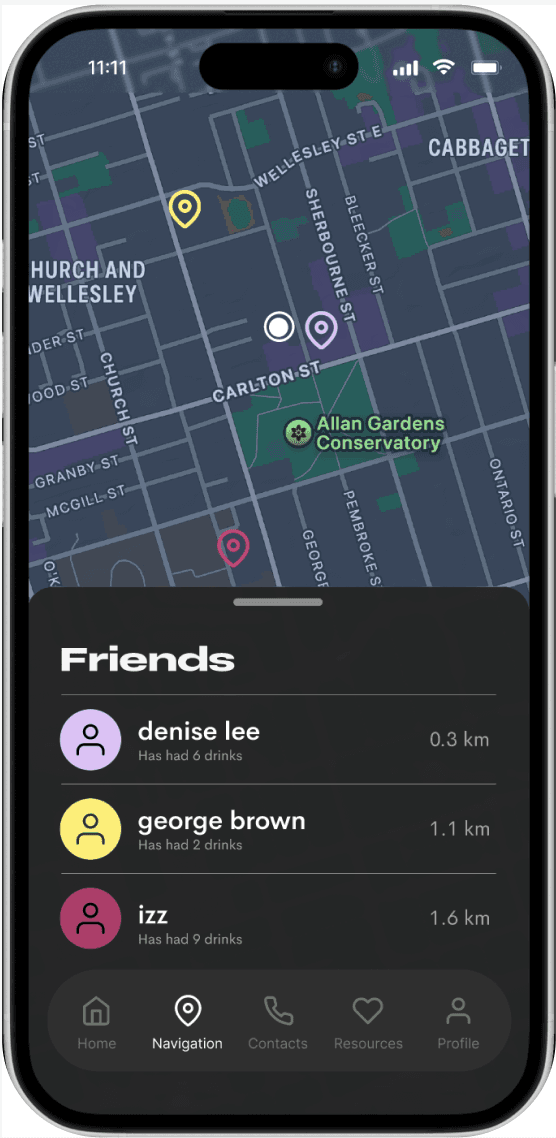
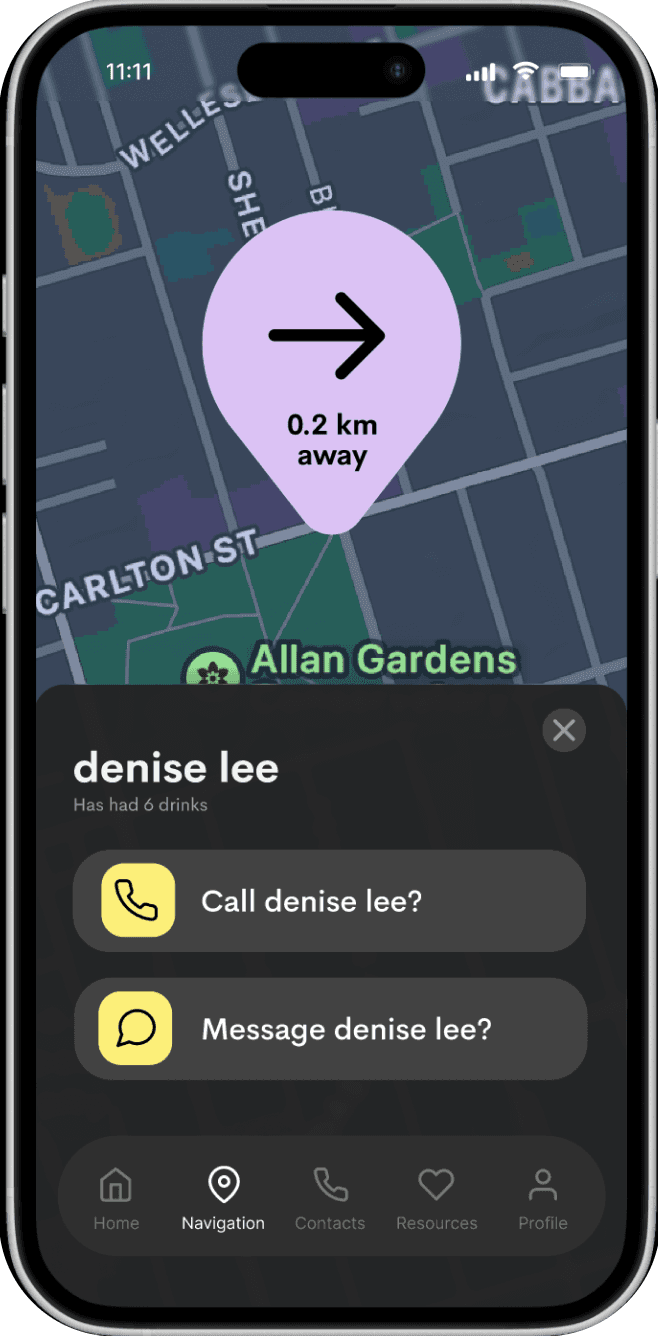
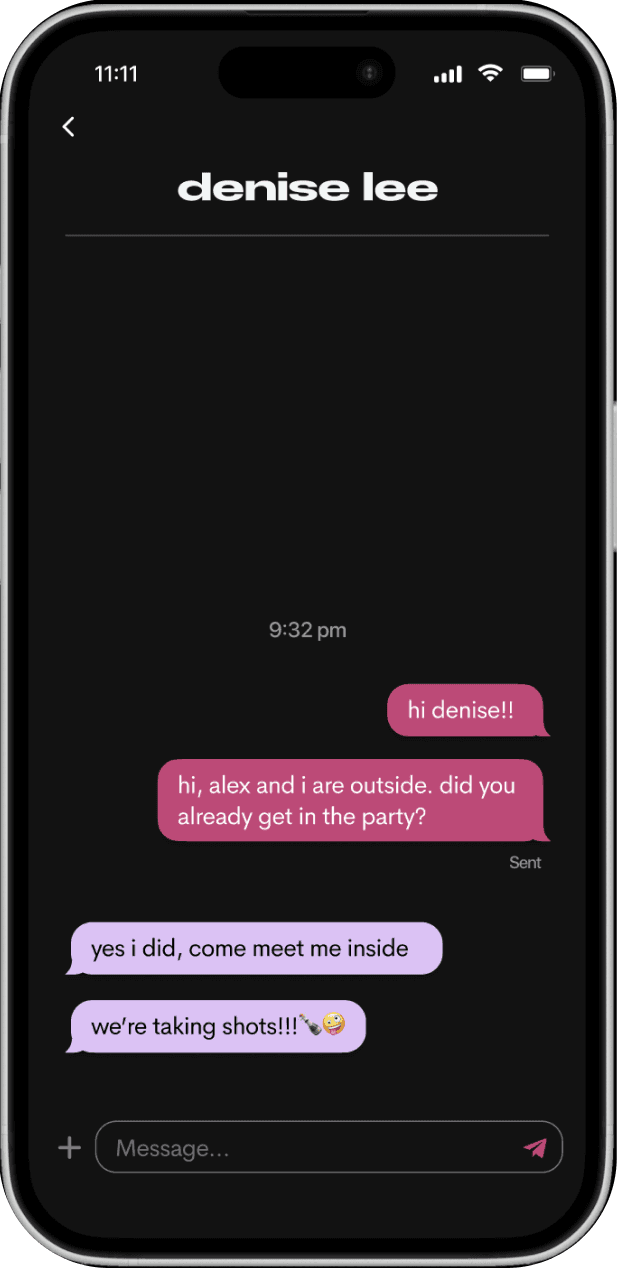
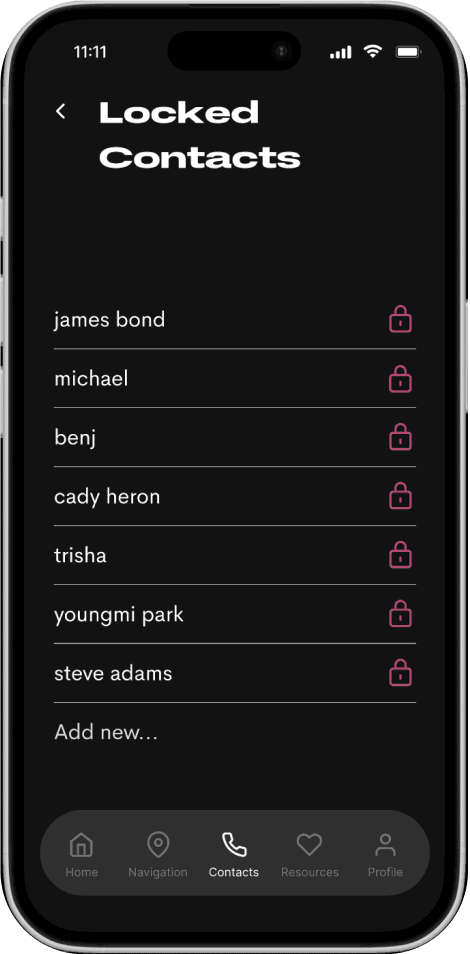
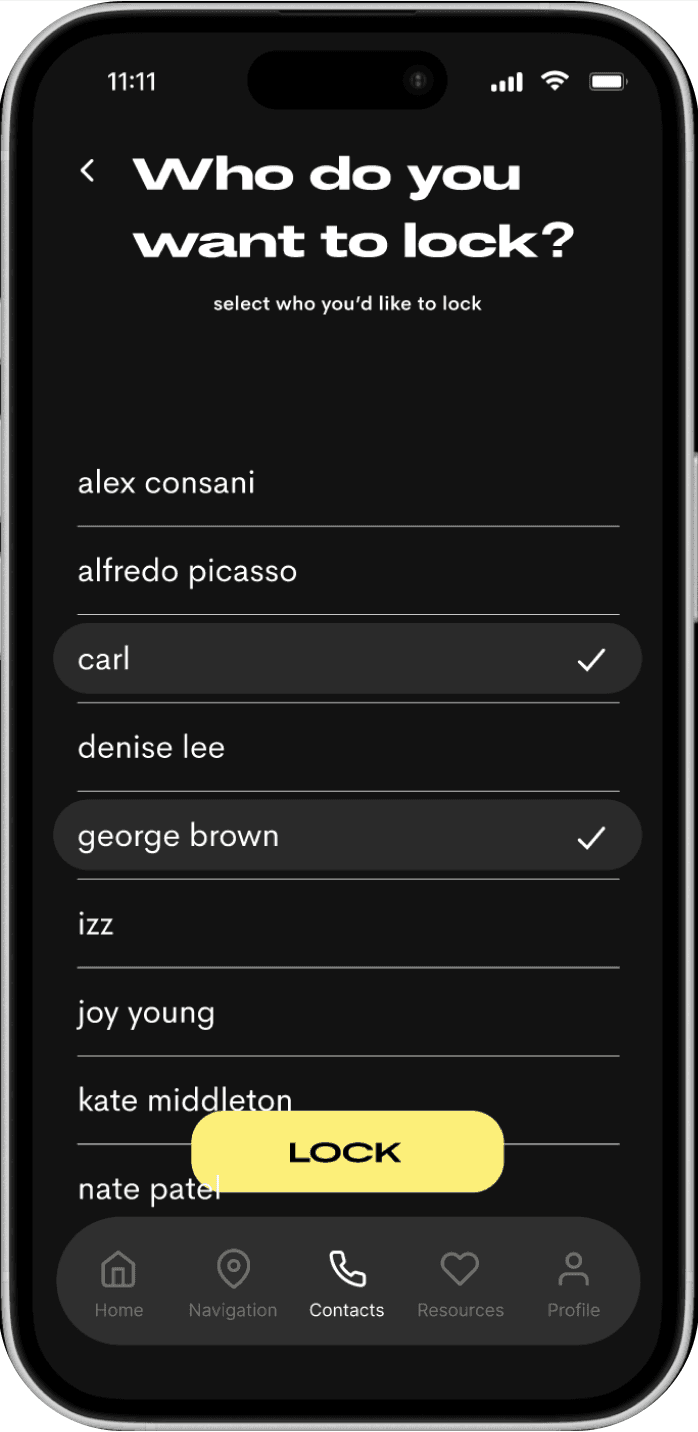
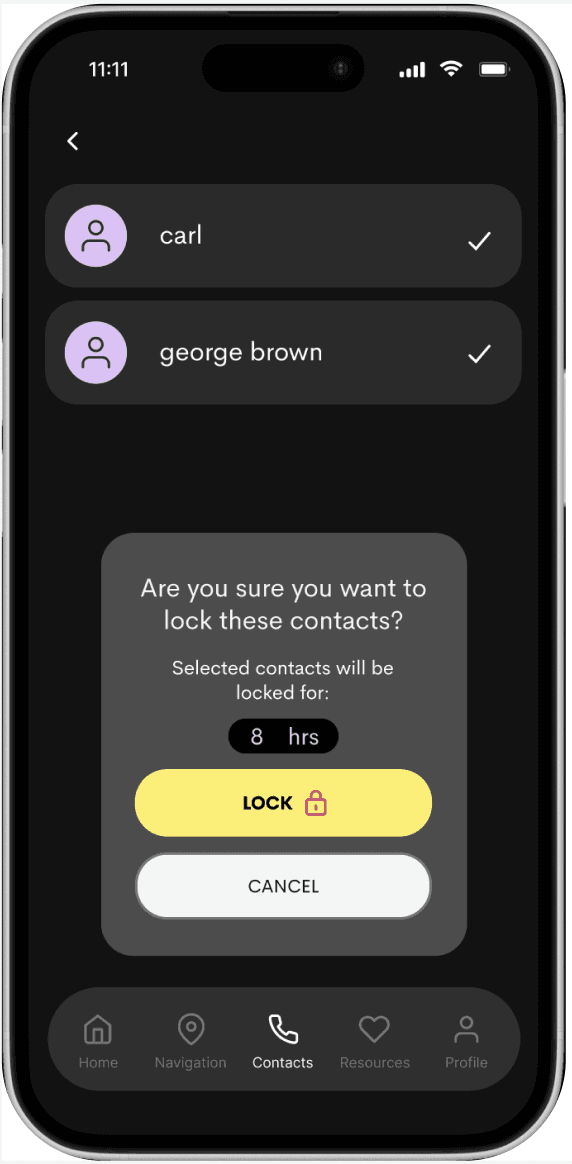
design system.
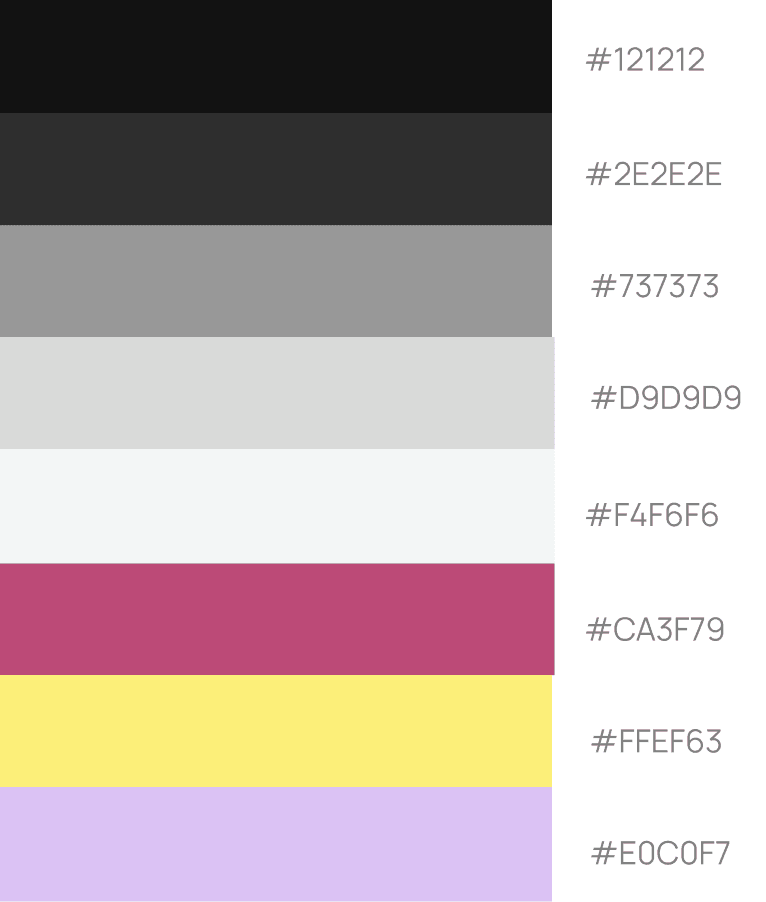
colours.
logo.
typography.
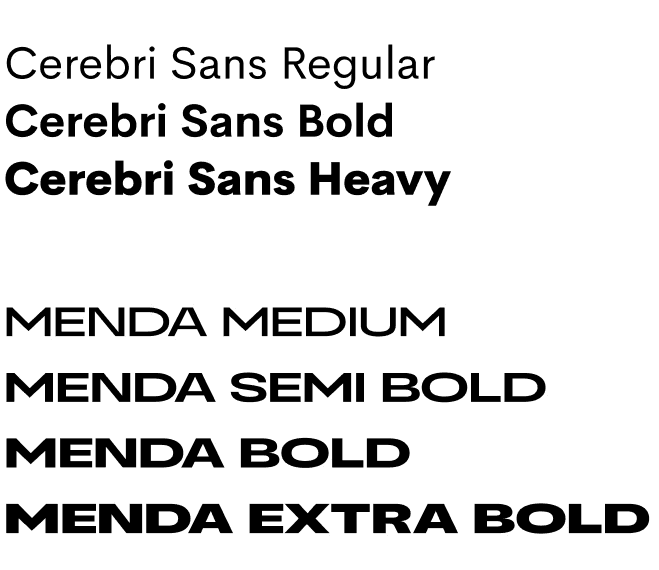
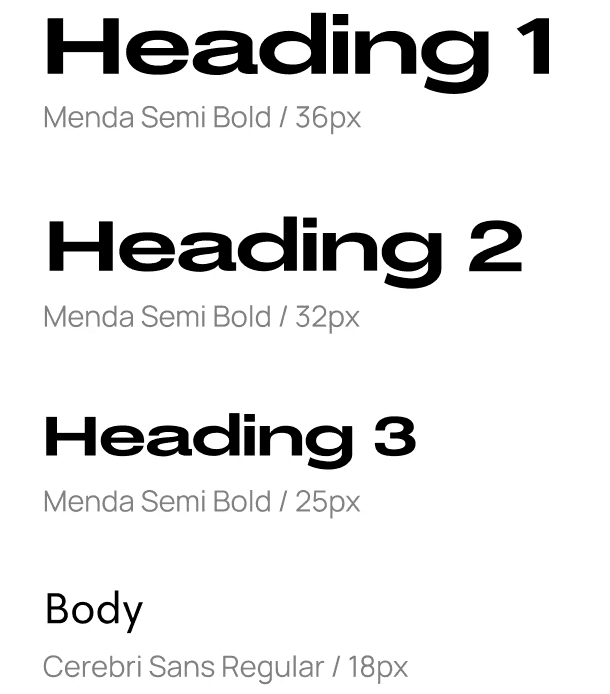
hierarchy.